

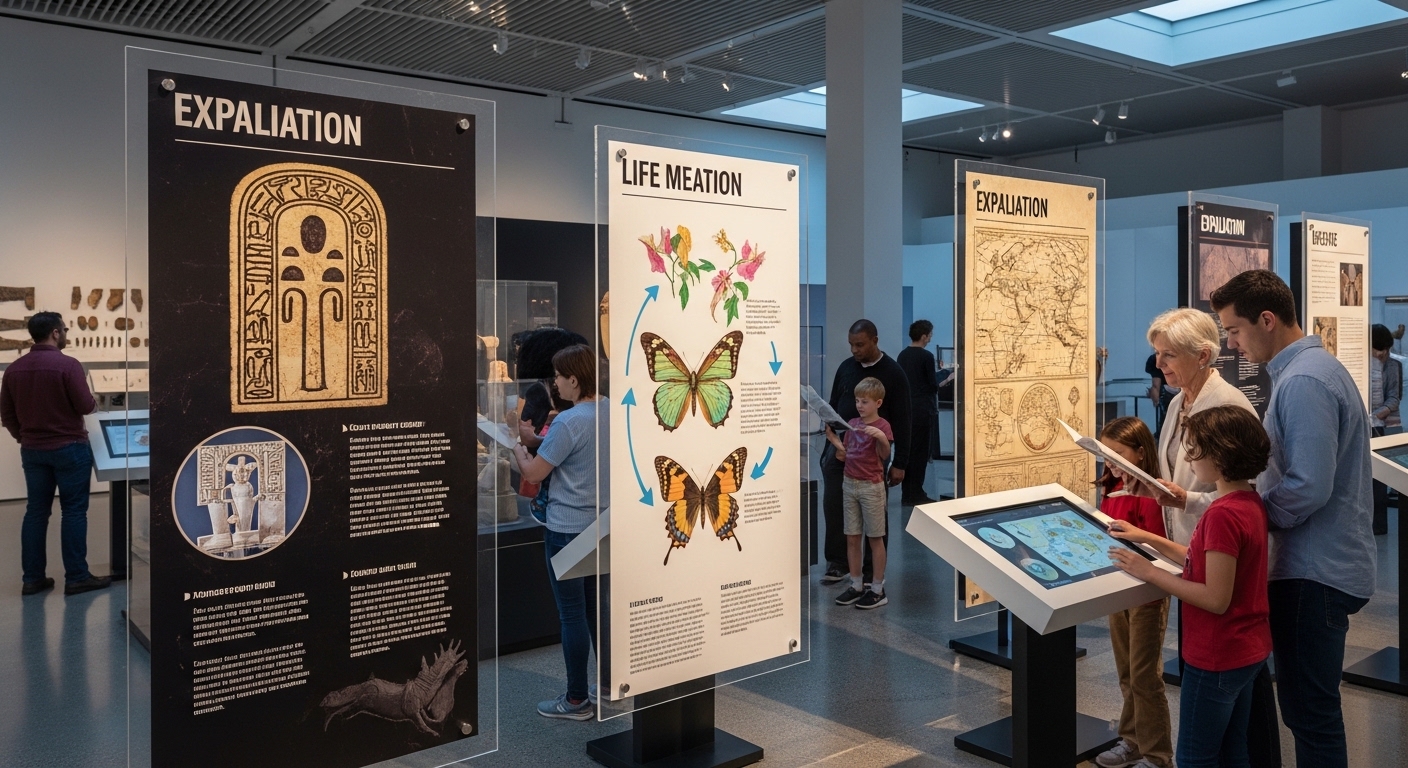
Museums are spaces where history, art, science, and culture come together to tell meaningful stories. While exhibits themselves capture attention, visitors often rely on supporting information to fully understand what they are seeing. This is where museum explanation cards play an essential role. These small yet powerful tools guide visitors through exhibits by providing clear context, background, and interpretation. When written and designed thoughtfully, they transform a simple display into an educational and memorable experience. The importance of museum explanation cards, how they support learning, and why they remain a vital element of modern museum communication.
The Purpose of Museum Explanation Cards
Museum explanation cards are designed to bridge the gap between objects and visitors by offering essential information in a concise format. Their main purpose is to explain what an artifact is, where it comes from, and why it matters. Without these cards, visitors may admire an object visually but miss its deeper significance. Explanation cards help audiences of all ages and backgrounds connect with exhibits on an intellectual level. They support self-guided exploration, allowing visitors to move at their own pace while still gaining accurate knowledge. By presenting carefully selected details, museum explanation cards ensure that learning remains accessible, engaging, and respectful of the visitor’s time and attention.
How Explanation Cards Support Learning
Learning in a museum environment is different from learning in a classroom. Museum explanation cards support informal education by presenting information in short, readable sections that are easy to absorb. They encourage curiosity by answering basic questions while inviting visitors to think further. Clear language and logical structure help international audiences and non-experts understand complex topics without feeling overwhelmed. Explanation cards also reinforce visual learning by connecting written descriptions to physical objects. This combination improves memory retention and comprehension. When museum explanation cards are well crafted, they create a balance between education and enjoyment, ensuring that visitors leave with both knowledge and inspiration.
Writing Effective Museum Explanation Cards
Creating effective museum explanation cards requires careful attention to clarity, tone, and content selection. Writers must decide which details are most important and present them in a way that is informative but not overly technical. The language should be simple, neutral, and engaging, avoiding jargon whenever possible. A strong explanation card tells a story rather than listing facts, helping visitors understand the human, historical, or scientific context behind an object. Length is also critical, as visitors usually spend only a short time reading. Well-written museum explanation cards respect this reality while still delivering meaningful insight.
Design and Readability Considerations
The visual design of museum explanation cards greatly affects how visitors interact with them. Font size, spacing, and layout must support easy reading in varied lighting conditions. Cards should be placed at comfortable viewing heights and close enough to exhibits to maintain a clear connection. Color choices and materials should complement the exhibit without distracting from the text. Readability is especially important for children, older visitors, and people with visual impairments. By prioritizing accessibility and thoughtful design, museum explanation cards become inclusive tools that enhance the overall visitor experience and encourage longer engagement with exhibits.
The Role of Explanation Cards in Modern Museums
In modern museums, explanation cards continue to play a central role despite the rise of digital displays and interactive technology. They provide reliable, immediate information without requiring devices or additional tools. Many museums now combine traditional cards with digital elements, but the printed explanation card remains a trusted source of curated knowledge. It reflects the museum’s voice, values, and educational mission. Museum explanation cards also support quiet reflection, offering visitors a moment to pause and absorb information in a calm setting. Their continued use highlights their effectiveness and enduring value in museum storytelling.
Conclusion
Museum explanation cards are a fundamental part of how museums communicate with their audiences. They provide clarity, context, and connection, turning exhibits into meaningful learning experiences. Through thoughtful writing, careful design, and a focus on accessibility, these cards support education while respecting diverse visitor needs. Even as museums evolve and adopt new technologies, the importance of clear and well-crafted explanation cards remains strong. By enhancing understanding and engagement, museum explanation cards help museums fulfill their role as spaces of knowledge, culture, and inspiration.