

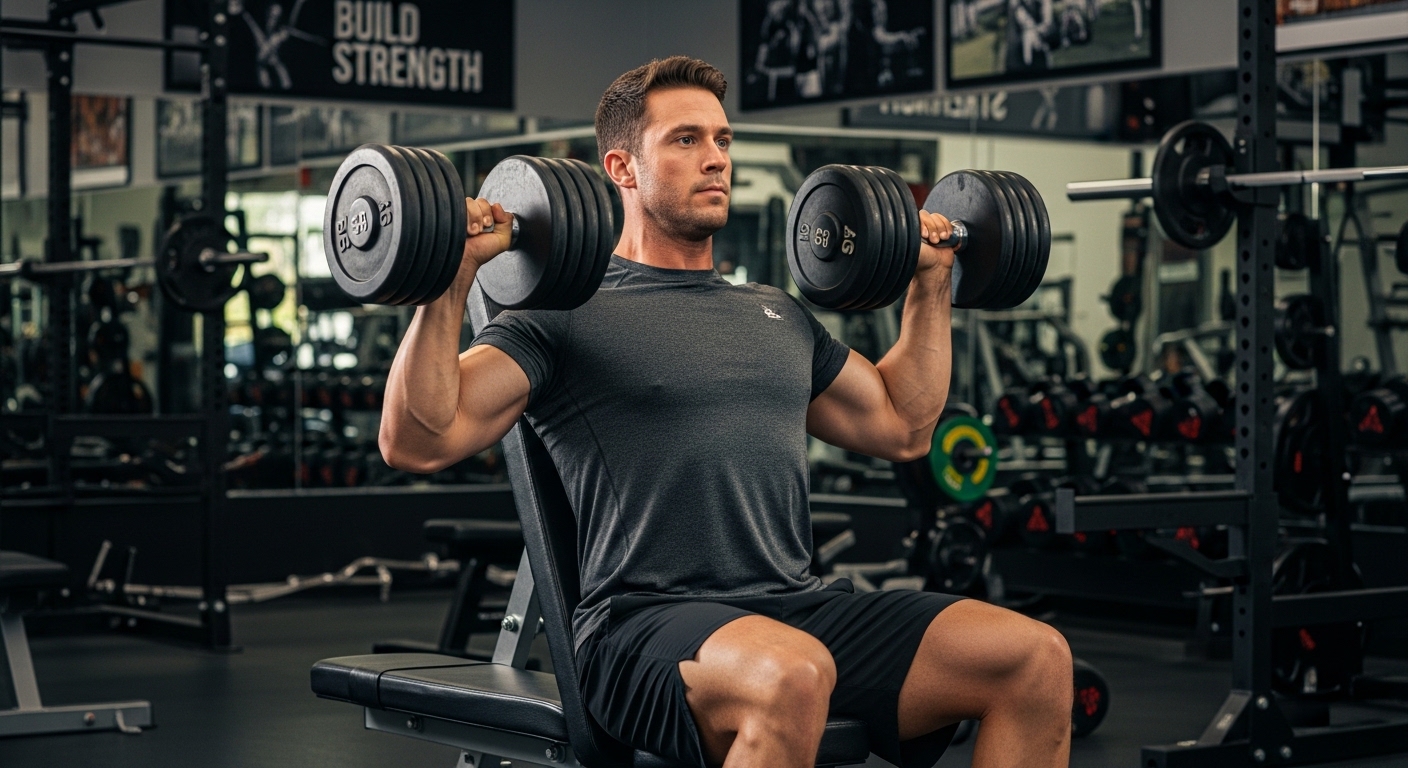
The dumbbell shoulder press is one of the most effective exercises for developing upper body strength and improving shoulder stability. It targets the deltoid muscles while also engaging the triceps and upper chest, making it a valuable addition to any fitness routine. Whether performed by beginners or experienced athletes, this exercise offers versatility and consistent results. Its ability to be adapted for different fitness levels makes it widely accessible. By focusing on controlled movement and proper technique, the dumbbell shoulder press can help improve posture, enhance muscle definition, and support overall functional strength.
Understanding the Basics of Dumbbell Shoulder Press
The dumbbell shoulder press involves lifting weights from shoulder level to an overhead position using controlled motion. It can be performed seated or standing, depending on the desired level of stability and muscle engagement. This exercise primarily works the shoulder muscles, especially the front and side deltoids. It also activates supporting muscles, including the triceps and upper chest, to complete the movement. Maintaining proper posture and alignment is essential to avoid strain. By learning the basic movement pattern, individuals can build a strong foundation for more advanced variations of the dumbbell shoulder press.
Muscles Targeted During the Exercise
The dumbbell shoulder press targets multiple muscle groups, making it a compound movement that contributes to overall upper body strength. The primary muscles involved are the deltoids, which are responsible for lifting the arms. The triceps assist in extending the elbows, while the upper chest provides additional support during the press. Stabilizing muscles in the core and back also play a role in maintaining balance, especially when performing the exercise while standing. This combination of muscle engagement makes the dumbbell shoulder press an efficient exercise for building strength and improving muscular coordination.
Benefits of Including Dumbbell Shoulder Press in Workouts
Incorporating the dumbbell shoulder press into a workout routine offers numerous benefits for both strength and functionality. It helps develop shoulder muscles, leading to improved upper body appearance and performance. The exercise also enhances joint stability, which is important for preventing injuries during daily activities and sports. Additionally, using dumbbells allows for a greater range of motion compared to machines, promoting balanced muscle development. This flexibility ensures that each side of the body works independently. As a result, the dumbbell shoulder press supports overall muscle symmetry and functional fitness.
Proper Form and Technique for Best Results
Maintaining proper form during the dumbbell shoulder press is crucial for achieving effective results and preventing injury. Start by holding the dumbbells at shoulder height with palms facing forward. Keep the back straight and core engaged throughout the movement. Press the weights upward in a controlled manner until the arms are fully extended, then slowly lower them back to the starting position. Avoid arching the lower back or using momentum to lift the weights. Controlled breathing also plays an important role. Focusing on technique ensures that the targeted muscles are engaged correctly during each repetition.
Common Mistakes to Avoid
Many individuals make mistakes during the dumbbell shoulder press that can reduce its effectiveness or increase the risk of injury. One common error is lifting weights that are too heavy, which often leads to poor form and reliance on momentum. Another mistake is failing to control the movement, especially when lowering the dumbbells. Improper posture, such as arching the back or flaring the elbows excessively, can place unnecessary strain on the joints. Neglecting proper breathing can also affect performance. Being aware of these mistakes helps individuals maintain proper technique and achieve better results over time.
Variations of Dumbbell Shoulder Press
The dumbbell shoulder press can be modified in various ways to suit different fitness levels and goals. The seated variation provides greater stability, making it ideal for beginners or those focusing on muscle isolation. The standing version engages the core more actively, improving overall balance and coordination. Other variations include the neutral grip press, which reduces strain on the shoulders, and the alternating press, which challenges stability and control. These variations allow individuals to keep their workouts interesting while targeting muscles from different angles. Adjusting the exercise helps prevent plateaus and promotes continuous progress.
How to Progress Safely Over Time
Progression in the dumbbell shoulder press should be gradual to ensure safety and effectiveness. Increasing weight slowly allows the muscles to adapt without risking injury. It is important to focus on mastering proper technique before attempting heavier loads. Adding repetitions or sets can also be an effective way to build strength over time. Rest and recovery are essential, as muscles need time to repair and grow. Listening to the body and avoiding overtraining helps maintain long-term progress. By following a structured approach, individuals can steadily improve their performance and achieve consistent results.
Integrating Dumbbell Shoulder Press into a Routine
The dumbbell can be easily incorporated into various workout routines, whether focused on strength training or general fitness. It is often included in upper body or full-body workouts due to its compound nature. Performing it early in a session can help maximize strength output when energy levels are high. It can be paired with other exercises that target different muscle groups to create a balanced routine. Consistency is key, as regular practice leads to noticeable improvements in strength and endurance. This makes the dumbbell shoulder press a reliable component of any training program.
Importance of Recovery and Injury Prevention
Recovery plays a vital role in maximizing the benefits of the dumbbell press. Allowing muscles adequate time to rest helps prevent fatigue and reduces the risk of overuse injuries. Stretching and mobility exercises can improve flexibility and maintain joint health. Proper warm-up before training prepares the muscles for movement, while cooling down afterward aids in recovery. Paying attention to any signs of discomfort or pain is important, as it may indicate the need for adjustment. Prioritizing recovery ensures that individuals can continue training safely and effectively over the long term.
Conclusion
The dumbbell shoulder remains a fundamental exercise for building upper body strength and improving overall fitness. Its versatility, combined with its ability to target multiple muscle groups, makes it suitable for a wide range of individuals. By focusing on proper technique, avoiding common mistakes, and progressing gradually, individuals can achieve lasting results. Incorporating this exercise into a regular routine supports strength, stability, and functional movement. With consistent effort and attention to recovery, the dumbbell shoulder press can play a key role in achieving a balanced and effective fitness journey.