

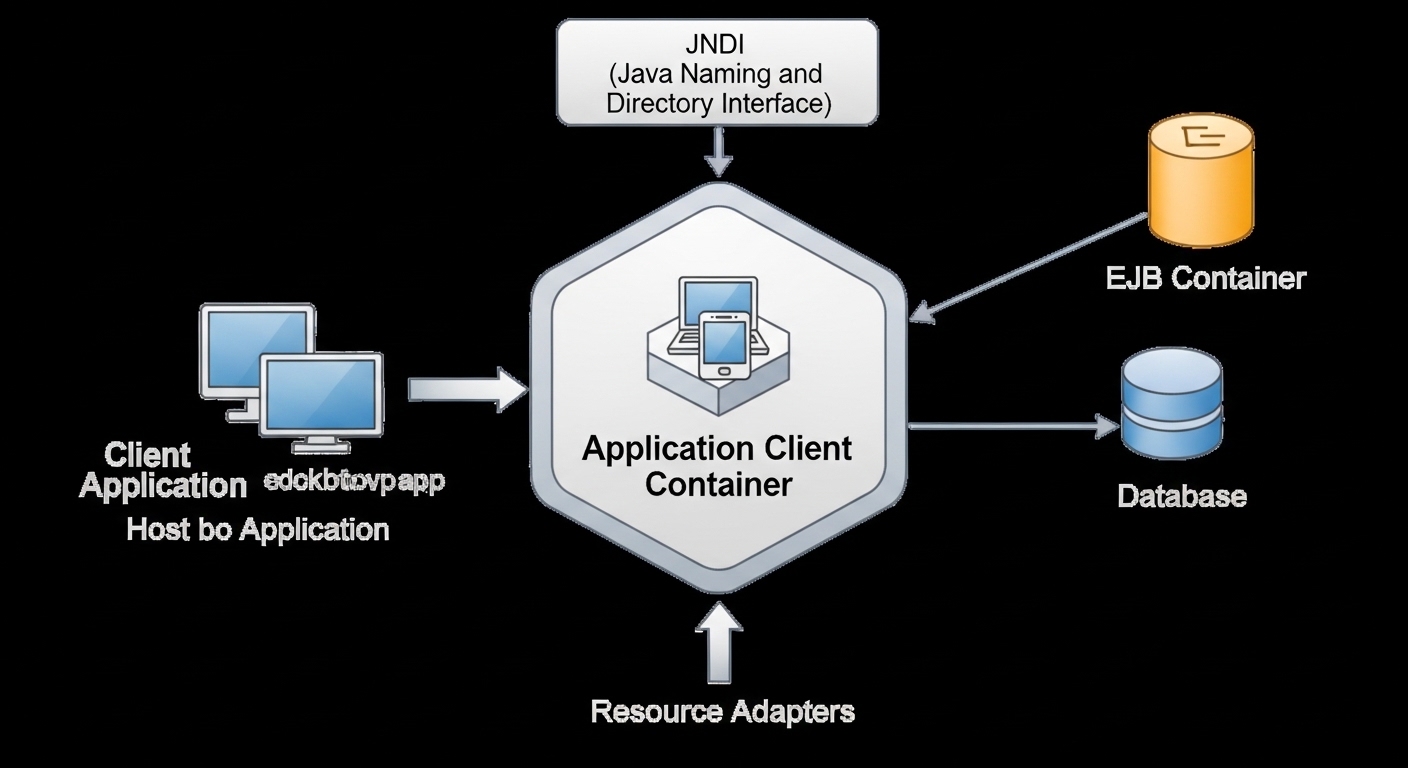
In modern enterprise software development, managing distributed applications efficiently is a top priority. As systems become more complex, developers rely on structured environments that handle communication, security, and lifecycle management. One such environment is the application client container. This technology plays a significant role in enterprise application architecture by providing a managed runtime for client side components. Whether you are a developer, IT professional, or technology enthusiast, understanding how an application client container works can help you design scalable, secure, and maintainable software systems for today’s dynamic digital landscape.
What Is an Application Client Container
An application client container is a runtime environment that manages the execution of client side application components in enterprise systems. It provides essential services such as dependency injection, transaction management, security integration, and remote communication support. Unlike standalone applications, components running inside an application client container benefit from standardized services without requiring developers to build everything from scratch. This container based approach simplifies development while maintaining consistency across large scale systems. By offering structured support for client applications, it ensures smoother interaction with enterprise servers and backend services.
Core Functions Within Enterprise Architecture
Within enterprise architecture, the application client container acts as a bridge between client applications and server side components. It manages resource allocation, handles communication protocols, and ensures secure access to enterprise beans or remote services. This structured environment reduces the complexity of distributed computing. Instead of manually configuring networking and security features, developers rely on container provided mechanisms. The result is improved reliability and easier maintenance. By centralizing these technical responsibilities, the application client container allows development teams to focus on business logic rather than infrastructure management.
How It Differs From Web and Server Containers
It is important to distinguish an application client container from web containers and server containers. A web container primarily manages web components such as servlets and handles HTTP requests. A server container manages enterprise level components and backend processes. In contrast, the application client container focuses on running standalone client applications that interact with enterprise services remotely. While all containers share the goal of simplifying deployment and lifecycle management, their responsibilities vary based on where the application components operate within the system architecture.
Key Benefits for Developers
Developers benefit significantly from using an application client container in enterprise projects. It reduces repetitive configuration tasks and ensures consistent behavior across multiple environments. Built in services for security, transactions, and resource management minimize the need for custom code. This approach improves development speed and reduces the likelihood of errors. Additionally, container managed services promote modularity and reusability, making applications easier to test and update. By providing a standardized runtime, the application client container supports cleaner code structure and more efficient project workflows.
Security and Transaction Management
Security and transaction management are critical in enterprise environments, and the application client container plays an essential role in both areas. It enforces authentication and authorization policies defined at the enterprise level. Developers can configure access controls declaratively rather than embedding security logic directly into application code. Similarly, transaction handling can be managed automatically by the container, ensuring data consistency across distributed systems. This built in support reduces risk, enhances compliance, and simplifies auditing processes. As a result, organizations gain a more secure and reliable application infrastructure.
Deployment and Configuration Flexibility
The application client container provides flexibility in deployment and configuration. Applications packaged for enterprise use can be deployed across various environments with minimal modification. Configuration settings are often externalized, allowing administrators to adjust parameters without altering the application code. This separation of configuration and logic supports smoother updates and faster deployment cycles. In large organizations, such flexibility reduces downtime and simplifies system upgrades. By standardizing how applications are packaged and launched, the application client container streamlines operational processes and improves overall system adaptability.
Integration With Modern Development Practices
Modern software development emphasizes microservices, cloud deployment, and continuous integration. The application client container adapts well to these evolving practices. It can support remote service calls, integrate with cloud based infrastructure, and align with automated deployment pipelines. By providing consistent runtime services, it ensures that applications behave predictably across development, testing, and production stages. This compatibility with contemporary development workflows makes the application client container relevant even as architectural trends shift toward distributed and cloud native solutions.
Performance Considerations and Optimization
Performance is a major concern in distributed systems, and the application container contributes to optimization through managed resource usage. By handling connection pooling, thread management, and caching mechanisms, it reduces overhead on client applications. Developers can also configure performance settings to align with workload requirements. Properly tuned containers enhance responsiveness and ensure efficient communication with backend services. This structured management improves scalability while maintaining stability. Organizations that leverage container capabilities effectively often achieve better performance without significantly increasing infrastructure costs.
Future Outlook of Container Based Client Applications
As enterprise systems continue to evolve, the relevance of the application container remains strong. Emerging technologies such as container orchestration platforms and hybrid cloud environments complement traditional container models. While new frameworks may reshape implementation details, the core principle of managed runtime environments persists. The application container exemplifies this principle by offering structured services that simplify complexity. Its adaptability ensures continued usefulness in diverse deployment scenarios, making it a valuable component in the future of enterprise application development.
Conclusion
The application container serves as a foundational element in enterprise software architecture. By providing a managed runtime environment for client applications, it simplifies development, enhances security, and improves system reliability. Its ability to integrate with modern practices and support scalable deployment makes it highly relevant in today’s technology landscape. Understanding its functions and benefits enables organizations and developers to build efficient, secure, and maintainable distributed systems that meet the demands of modern digital operations.