

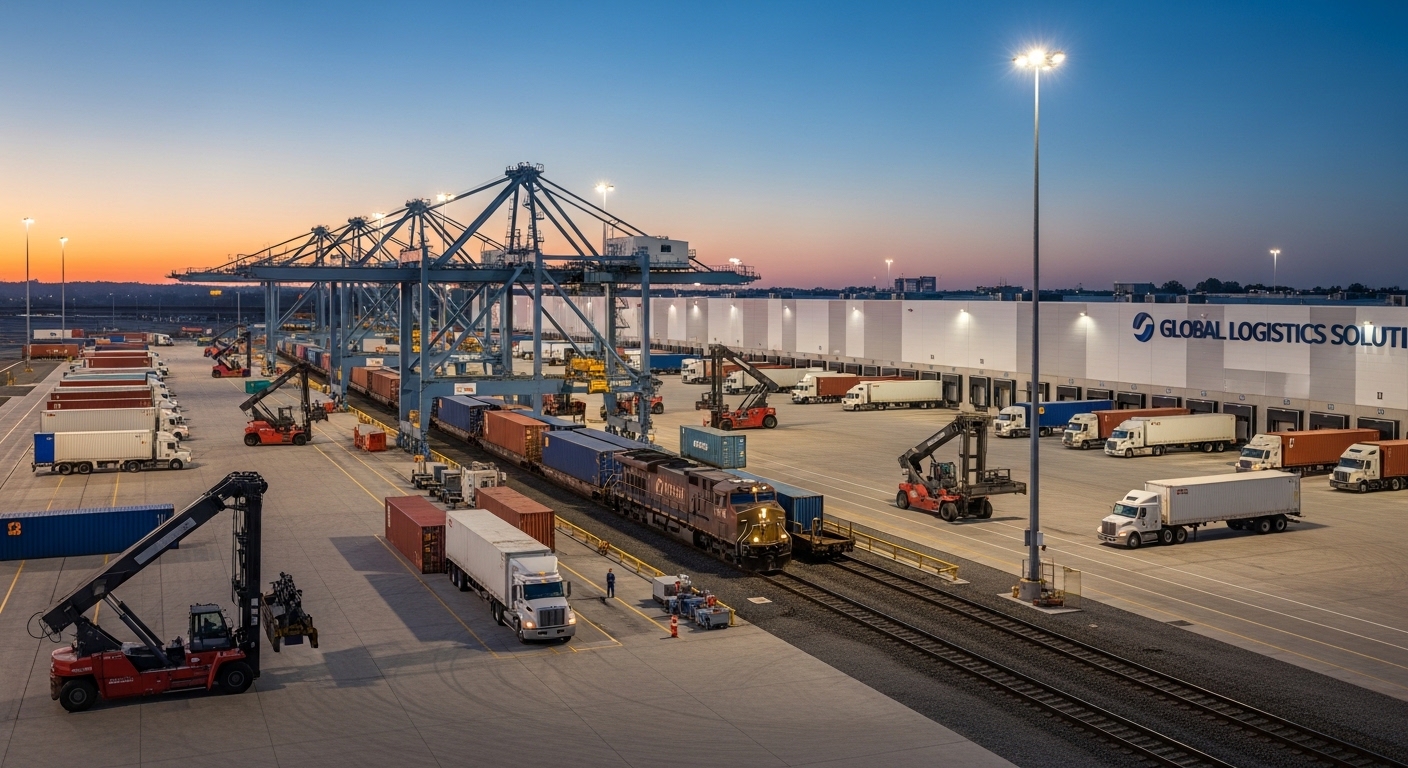
In today’s fast-paced global economy, efficient cargo handling and logistics management are essential for businesses that rely on timely transportation. A private freight terminal has emerged as a critical solution for companies seeking control, security, and operational efficiency in their supply chains. Unlike public terminals, private freight terminals offer tailored services, dedicated infrastructure, and streamlined processes to meet specific business needs. Understanding the role and benefits of private freight terminals helps organizations optimize their shipping strategies, reduce costs, and maintain competitive advantages in increasingly complex logistics networks.
What is a Private Freight Terminal
A private freight terminal is a dedicated facility owned or leased by a single company or a consortium for the handling, storage, and movement of cargo. Unlike public terminals, which serve multiple operators, private freight terminals offer exclusive access and specialized infrastructure for a specific business. These terminals typically handle various types of cargo, including bulk shipments, containers, and specialized freight. By controlling operations within a private terminal, companies can optimize loading and unloading schedules, maintain security standards, and reduce delays caused by shared facilities. This model ensures reliability and efficiency across the logistics chain.
Advantages Over Public Terminals
Private freight terminals offer distinct advantages compared to public facilities. Exclusive access allows businesses to control scheduling and prioritize critical shipments without competing for space. Companies can implement customized handling procedures tailored to their cargo type and operational requirements. Reduced congestion and faster turnaround times improve efficiency and decrease operational costs. Additionally, private terminals allow for enhanced security measures and compliance with industry-specific regulations. By minimizing dependency on external operators, companies gain flexibility and predictability, which are crucial for just-in-time supply chains and sensitive cargo that demands strict handling protocols.
Infrastructure and Technology Integration
Modern private freight terminals integrate advanced infrastructure and technology to streamline operations. Automated material handling systems, warehouse management software, and real-time tracking tools enhance operational efficiency. These facilities often feature specialized equipment for loading, unloading, and storage of various freight types. Integration with transportation networks, including rail, road, or port connections, ensures seamless cargo movement. Technology allows terminal operators to monitor performance metrics, optimize resource allocation, and reduce downtime. By leveraging advanced systems, private freight terminals enhance operational reliability and support data-driven decision-making in supply chain management.
Security and Compliance Benefits
Security is a major concern for businesses transporting high-value or sensitive goods. Private freight terminals provide controlled access, surveillance systems, and personnel trained in cargo protection. This reduces the risk of theft, damage, or unauthorized handling. Compliance with regulatory standards is easier to maintain in a private facility, as companies can implement procedures aligned with industry requirements. Hazardous materials, temperature-sensitive goods, or pharmaceuticals benefit from specialized monitoring and handling. By ensuring both security and compliance, private freight terminals offer peace of mind for companies and their clients, strengthening trust and operational integrity.
Cost Efficiency and Operational Control
While establishing a private freight terminal requires investment, the long-term cost efficiency can be significant. Controlling handling schedules reduces delays, demurrage fees, and storage costs at public terminals. Businesses can optimize staffing, equipment usage, and cargo flow to minimize waste and operational inefficiencies. Dedicated facilities also allow better planning for seasonal or peak shipping periods. Operational control enables companies to maintain consistent service levels and enhance customer satisfaction. Over time, these efficiencies translate into measurable savings and improved return on investment, reinforcing the strategic value of private freight terminals within supply chain management.
Flexibility in Cargo Handling
Private freight terminals offer flexibility in managing diverse cargo types and volumes. Companies can design terminal layouts and handling procedures specific to their product lines. Seasonal fluctuations, large-scale projects, or emergency shipments can be accommodated without the constraints of shared facilities. This adaptability allows companies to respond quickly to market demands or logistical challenges. Specialized equipment and storage solutions, including temperature-controlled zones and secure storage areas, further enhance handling capabilities. By providing operational flexibility, private freight terminals support dynamic business strategies and allow companies to maintain continuity under changing conditions.
Enhancing Supply Chain Reliability
Reliability is critical in modern supply chains where delays can result in significant financial losses. Private freight terminals improve predictability by offering controlled access, dedicated staff, and precise operational procedures. Businesses can schedule shipments with confidence, reducing the risk of missed deadlines. Integration with transportation providers and inventory systems ensures smooth cargo movement across the supply chain. By reducing bottlenecks and enhancing visibility, private freight terminals contribute to more resilient and efficient logistics networks. Reliable operations also strengthen relationships with customers and partners, who benefit from consistent service quality and timely deliveries.
Environmental and Sustainability Considerations
Many modern private freight terminals incorporate environmentally friendly practices to reduce their carbon footprint. Energy-efficient lighting, electric or hybrid handling equipment, and optimized cargo flow reduce energy consumption. Some terminals integrate renewable energy sources and implement waste reduction strategies. Efficient terminal design and operations also decrease vehicle idling and emissions from transport links. By adopting sustainable practices, private freight terminals contribute to corporate social responsibility initiatives and regulatory compliance. Sustainable operations enhance the long-term viability of the facility while demonstrating commitment to environmental stewardship in the logistics industry.
Future Trends in Private Freight Terminals
The future of private freight terminals will likely involve increased automation, digitalization, and integration with global supply chain networks. Predictive analytics, AI-based scheduling, and advanced inventory management systems will further optimize cargo handling. Growing e-commerce demands and global trade expansion will make private terminals more attractive to companies seeking reliability and efficiency. Investments in green technologies and smart infrastructure will continue to enhance operational sustainability. As businesses prioritize agility and control, private freight terminals are positioned to become central hubs in modern logistics strategies, offering competitive advantages and supporting growth in a complex global market.
Conclusion
Private freight terminals provide businesses with a strategic solution for efficient, secure, and cost-effective cargo management. By combining exclusive access, advanced infrastructure, and operational control, these facilities enhance reliability, flexibility, and sustainability across supply chains. Companies benefit from reduced delays, improved compliance, and optimized cargo handling while maintaining long-term cost efficiency. As global logistics demands continue to evolve, private freight terminals play a pivotal role in ensuring seamless operations, strengthening supply chain resilience, and supporting the growth and competitiveness of modern businesses.