

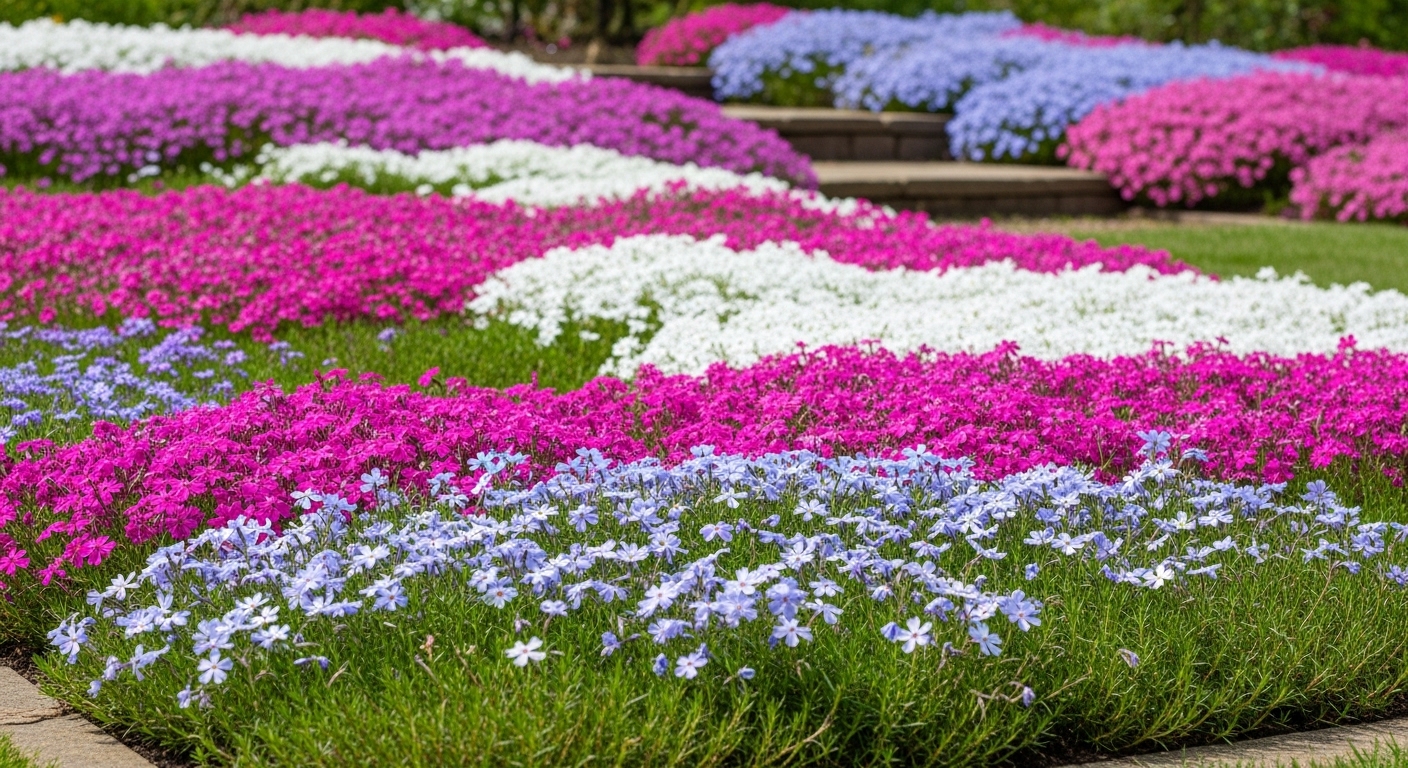
Creeping phlox is a popular flowering plant known for its vibrant colors and ability to create a stunning carpet of blooms. Often used as a ground cover, it transforms gardens into visually appealing landscapes during the spring season. Its low-growing nature and dense spread make it ideal for covering slopes, borders, and rocky areas. Gardeners appreciate creeping phlox not only for its beauty but also for its relatively low maintenance requirements. Understanding how to grow and care for this plant can help you create a lively and attractive outdoor space that remains enjoyable throughout the year.
What Is Creeping Phlox
Creeping phlox is a perennial flowering plant that belongs to the phlox family and is widely used in landscaping. It is known for its spreading growth habit, forming a dense mat of foliage covered with small, colorful flowers. These blooms typically appear in shades of pink, purple, white, and blue, creating a striking visual effect. The plant thrives close to the ground, making it an excellent choice for ground cover. Its ability to spread quickly allows it to fill empty spaces efficiently. Creeping phlox is valued for both its decorative appeal and its practical use in garden design.
Ideal Growing Conditions
To achieve healthy growth, creeping phlox requires specific environmental conditions that support its development. It thrives best in areas with full sunlight, where it can receive at least six hours of direct light each day. Well-drained soil is essential, as excessive moisture can lead to root problems. Slightly sandy or rocky soil works particularly well for this plant. Creeping phlox also benefits from moderate watering, especially during dry periods. By providing the right balance of sunlight, soil, and moisture, gardeners can ensure that the plant grows vigorously and produces abundant flowers.
Planting and Establishment
Proper planting is crucial for the successful establishment of creeping phlox in any garden. It is best planted during the spring or early fall when temperatures are mild. Before planting, the soil should be prepared by loosening it and removing weeds. Spacing the plants adequately allows them to spread naturally without overcrowding. After placing the plants in the soil, gentle watering helps them settle and develop strong roots. Mulching around the base can help retain moisture and reduce weed growth. Careful planting practices ensure that creeping phlox establishes quickly and begins to thrive.
Seasonal Bloom and Color Variety
One of the most attractive features of creeping phlox is its vibrant seasonal bloom. During spring, the plant produces a dense layer of flowers that can cover entire sections of a garden. The variety of colors available allows gardeners to create visually striking patterns and combinations. These blooms not only enhance the appearance of the landscape but also attract pollinators such as bees and butterflies. The flowering period, although relatively short, leaves a lasting impression. After blooming, the plant continues to provide greenery, maintaining its role as an effective ground cover throughout the year.
Maintenance and Care Tips
Caring for creeping phlox is relatively simple, making it a suitable choice for both experienced and beginner gardeners. Regular watering is important, especially during dry conditions, but overwatering should be avoided. Light pruning after the blooming season helps maintain the plant’s shape and encourages healthier growth. Removing weeds ensures that the plant does not face competition for nutrients. Fertilizing once or twice during the growing season can support better flowering. With consistent care and attention, creeping phlox can remain healthy and continue to enhance the beauty of the garden.
Common Problems and Solutions
Although creeping phlox is generally hardy, it can face certain challenges that affect its growth. Poor drainage can lead to root rot, which can damage the plant over time. Pests such as mites may occasionally appear, causing minor issues. Fungal diseases can also occur in overly humid conditions. Ensuring proper air circulation and avoiding excessive moisture can help prevent these problems. Regular inspection allows gardeners to address issues early before they become serious. By maintaining good gardening practices, most problems associated with creeping phlox can be managed effectively.
Landscaping Uses and Design Ideas
Creeping phlox is highly valued in landscaping due to its versatility and visual appeal. It is commonly used to cover slopes, where it helps prevent soil erosion while adding color. Garden borders and pathways can be enhanced with its dense growth and vibrant flowers. It also works well in rock gardens, where its low profile complements the natural setting. Combining different colors of creeping phlox can create eye-catching patterns and designs. Its adaptability allows it to fit into various garden styles, making it a popular choice for creating attractive outdoor spaces.
Benefits of Growing Creeping Phlox
Growing creeping phlox offers several benefits beyond its decorative value. It helps reduce weed growth by covering the soil and limiting space for unwanted plants. Its dense foliage also aids in soil retention, making it useful for preventing erosion. The flowers attract pollinators, supporting local ecosystems and promoting biodiversity. Additionally, its low maintenance requirements make it a practical choice for busy gardeners. These benefits make creeping phlox a valuable addition to any garden, combining beauty with functionality in a way that enhances the overall environment.
Tips for Long-Term Growth
Ensuring the long-term success of creeping phlox requires consistent care and attention to its needs. Dividing the plant every few years can prevent overcrowding and promote healthier growth. Monitoring soil conditions and adjusting watering practices helps maintain optimal health. Providing sufficient sunlight ensures that the plant continues to bloom effectively. Regular pruning keeps the plant tidy and encourages new growth. By maintaining these practices, gardeners can enjoy the beauty of creeping phlox for many years. Long-term care not only preserves the plant’s health but also ensures that it remains a vibrant feature in the garden.
Conclusion
Creeping phlox is a remarkable plant that combines beauty, versatility, and ease of care. Its ability to create a colorful ground cover makes it a favorite among gardeners seeking to enhance their outdoor spaces. From its vibrant spring blooms to its practical landscaping uses, it offers both visual appeal and functional benefits. By understanding its growing requirements and maintaining proper care, anyone can successfully cultivate this plant. Creeping phlox stands out as a reliable and attractive choice for gardens, providing lasting beauty and contributing to a well-balanced and inviting landscape.