

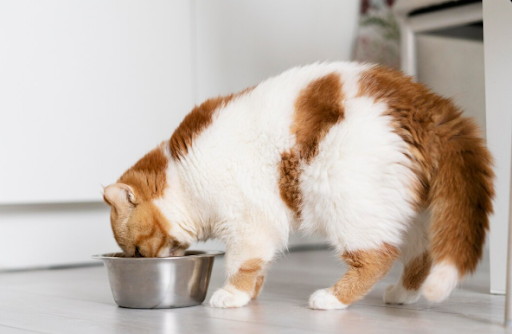
Cats are picky. They are also particular about what they eat. They usually like to eat meat. A pure and simple diet, rich in protein, is preferred by them. Keep in mind that, as a cat parent, choosing their food is one of the most important things you do for their health. Here is what to look for.
1. Life Stage and Health
Kittens grow fast. They need food with more calories, protein, and fat. Food made for kittens has all of this. It supports their bones, muscles, and brain. But remember, adult cats need balance. You should not feed them too many calories. Just give enough protein to maintain muscle and essential nutrients to stay healthy.
Senior cats slow down. They need fewer calories. But they need more of certain nutrients for joint and kidney support. So you must give them food that is easier to digest. Moreover, health conditions change needs, and you also have to change the diet accordingly. Kidney disease needs low phosphorus, diabetes needs low carb, and allergies need limited ingredients. Vets help here. They know what your cat needs based on their age, weight, and health.
However, when you pick cat food (貓飼料), look for the life stage label, such as kitten, adult, or senior. It is there for a reason. Cat food for the wrong life stage can cause problems. Kittens on adult food miss nutrients, and seniors on kitten food gain weight. So you must match the food to your furry friend’s life stage.
2. Essential Nutrients
Cats are carnivores. They need meat, not corn, wheat, or soy. Protein is the most important nutrient in their diet. So you must look at the label. The first ingredient should be named meat, chicken, turkey, fish, or salmon, instead of meat meal or poultry by-product.
Moreover, taurine is essential. Cats cannot make it themselves. Without it, their hearts and eyes fail. All good cat food has added taurine. You must check the label. Additionally, fats give energy to your furry friend. Cats need it, but not too much.
Moisture matters too. Cats usually do not drink enough from bowls. Wet food gives water, which is good for their kidneys and bladder. No doubt, dry cat food is convenient. You just pour and serve. But it lacks water. If you feed dry food to your cat, make sure they drink enough fresh water.
3. Hidden Additives
Labels hide things, such as additives, fillers, and stuff cats do not need. Artificial colors are also useless in cat food. Cats do not care what color their food is. They are not looking at it. Colors are for humans. So you can skip them.
Corn and wheat are fillers. Cats do not digest them well. They add bulk without nutrition and can also cause allergies and weight gain. So you must avoid them. By-products are also not healthy. They are not what you want as the main ingredient.
Moreover, chemical preservatives like BHA and BHT are linked to health issues. You should always look for natural preservatives, such as Vitamin E and Vitamin C. But remember, too much carbohydrate is a problem for your pet. Cats do not need carbs. Their bodies are not built for them. High-carb diets lead to obesity and diabetes.
4. No Extra Sugars
Sugar has no place in cat food. Cats do not taste sweet. Their bodies are not built for sugar. It adds calories and can lead to many serious health issues, such as obesity and diabetes. So, when selecting food for your pet, you must ensure it does not have any sugars.
You should check labels for sugar. Corn syrup, fructose, sucrose, and dextrose are all ingredients that should not be in your cat’s food. However, some foods add sugar to make dry food palatable and make cats eat it. But it is not a good approach. You should always try to feed food that tastes good without sugar. You can consider wet food. It rarely has added sugar.
 Jerry Lorren