

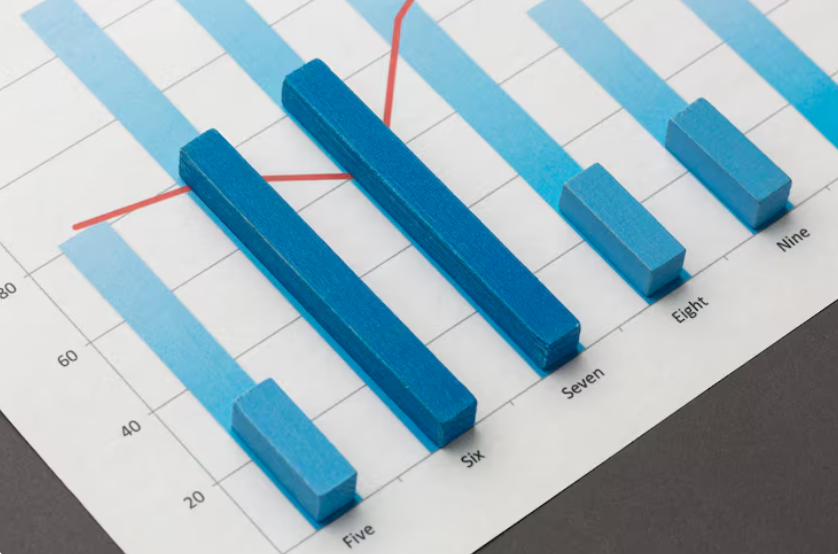
In the realm of investing, “don’t put all your eggs in one basket” is not just a cliché—it’s a fundamental principle of asset allocation.
Most investors know that a blend of stocks, bonds, and cash is key to managing risk. However, static pie charts often fail to capture the complexity of a shifting market.
If you want to master your portfolio, the transition from static snapshots to dynamic data is worth making. Unaware of how dynamic charts help in asset allocation? Fret not.
In this guide, you’ll discover some key points highlighting the importance of dynamic charts in asset allocation. Let’s delve in…
Look at How Powerful Real-Time Visualization Is
Consider traditional statements as historical documents. They tell you where you wear, not where you’re going. In light of this, modern fintech tools continue to transform the experience.
Using io charts, investors can visualize how their asset mix fluctuates in response to market volatility in real-time. Compared to hard-form reports, these dynamic interfaces let you toggle between various time horizons.
Further, you’ll be able to see how a “60/40” split actually performed during a market downturn versus a bull run. Dynamic charting also works well at transforming abstract percentages into actionable insights.
Let’s say you can see the “drift” in your portfolio—that’s where one high-performing asset class starts to overweight your risk profile. You can make your rebalancing decisions before a market correction forces your hand.
Striking a Perfect Balance Between Risk and Reward Dynamics
Asset allocation is not a “set it and forget it” strategy. As you age, your risk tolerance and financial goals evolve. A dynamic approach to charting allows you to run “what-if” scenarios.
Let’s understand it this way: if you increase your exposure to international equities or REITs, how would your projected volatility change? Remember, dynamic charts provide a multi-dimensional view of risk. Instead of just seeing a total return figure, you can analyze drawdowns and recovery periods.
This visual feedback is vital for psychological discipline. If you see a visual representation of how diversified assets “cushion” a fall, you’ll avoid the panic selling that often plagues retail investors.
Strategic Rebalancing in a Digital Age
The ultimate goal of understanding asset allocation through interactive visuals is efficient rebalancing. Over time, market movements will naturally cause your portfolio to stray from its target allocation. In case stocks soar, they may eventually account for 80% of a portfolio intended to be 60% stocks.
Leveraging interactive dashboards will enable you to figure out exactly which lots to sell and which assets to buy to return to your target. This precision will reduce “drag” on your portfolio and ensure you consistently buy low and sell high.
As the global economy continues to move fast, the ability to interact with your data—rather than just read it—differentiates a reactive investor from a proactive one.
Final Verdict
As technology continues to merge with finance, investors who leverage high-quality visual tools will be better equipped to navigate the ins and outs of the modern market. It’s important to note that asset allocation is a journey, and dynamic charts serve as the GPS, so use them to stay on course.