

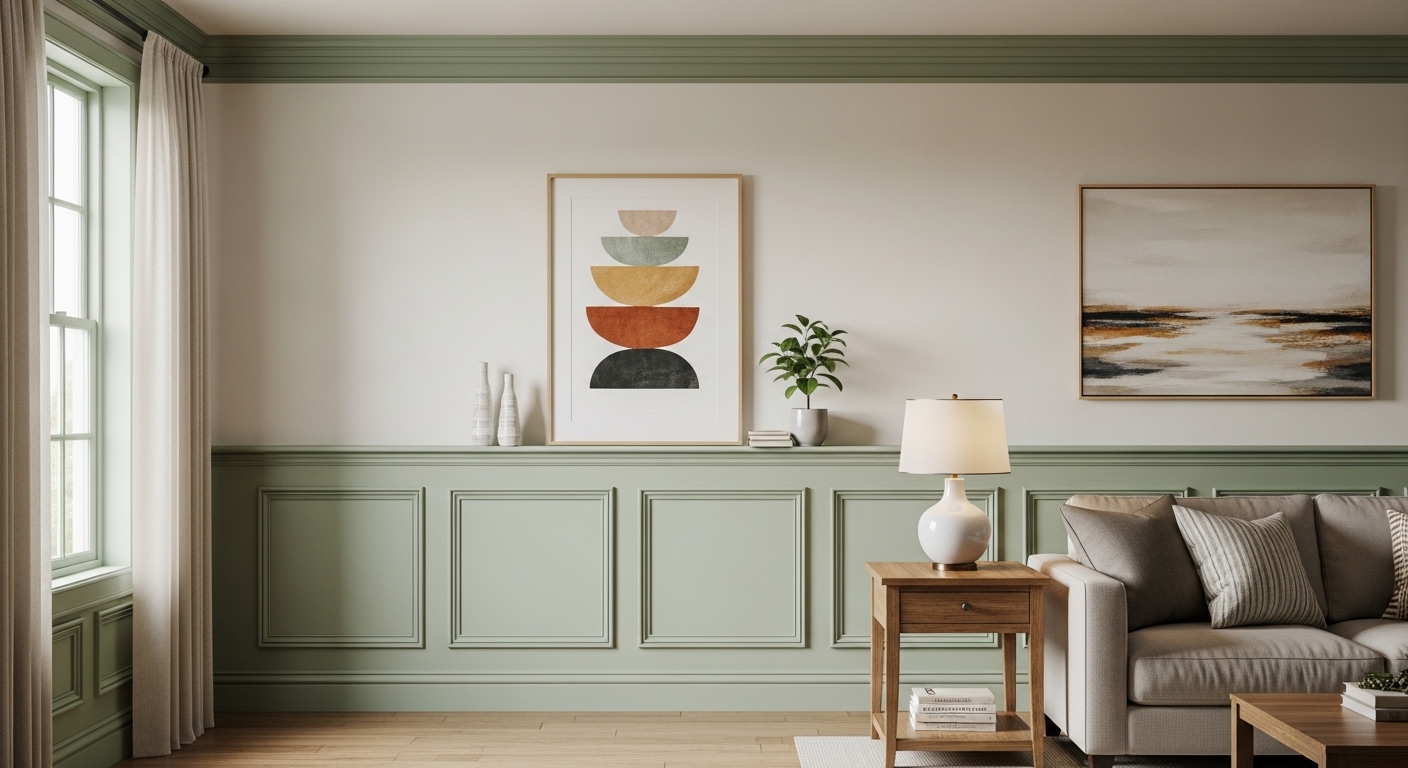
Interior design trends continue to evolve, yet certain architectural details remain timeless. Wainscoting panels are one such feature that adds depth, character, and refinement to residential and commercial spaces alike. Originally designed to protect walls from damage, these decorative wall panels have become a popular choice for enhancing aesthetics. Whether installed in a dining room, hallway, or office, wainscoting panels create a polished appearance that blends tradition with modern appeal. Understanding their styles, materials, and installation options can help homeowners and designers make informed decisions that elevate interior spaces with lasting visual impact.
The History and Evolution of Wainscoting Panels
Wainscoting panels date back several centuries, originally serving a practical purpose in European homes. They were used to insulate rooms and shield walls from moisture and wear. Over time, their functional role expanded into a decorative one, reflecting craftsmanship and architectural elegance. As interior design developed, these panels became associated with classic and traditional aesthetics. Today, wainscoting panels are available in a wide range of styles that suit both contemporary and historic interiors. Their evolution from simple wooden boards to intricate wall features highlights their adaptability and enduring relevance in modern design.
Popular Styles of Wainscoting Panels
There are several popular styles of wainscoting panels, each offering a distinct visual effect. Raised panel designs create a formal and traditional appearance, often seen in dining rooms and libraries. Beadboard panels provide a more relaxed and cottage-inspired look, suitable for bathrooms or kitchens. Flat panel styles deliver a clean and modern aesthetic that complements minimalist interiors. Board and batten designs add vertical lines that enhance height perception in smaller rooms. Choosing the right style depends on the overall theme of the space, architectural details, and personal preference, ensuring harmony within the interior design.
Materials Used in Modern Wainscoting Panels
Modern wainscoting panels are crafted from various materials to suit different budgets and environments. Solid wood remains a popular choice for its durability and natural beauty, though it may require more maintenance. Medium density fiberboard offers a cost-effective alternative with a smooth finish ideal for painting. PVC and other synthetic materials are resistant to moisture, making them practical for bathrooms and basements. Each material provides unique advantages in terms of cost, longevity, and installation ease. Selecting the appropriate material ensures that the panels perform well while complementing the desired aesthetic.
Benefits of Installing Wainscoting Panels
Installing wainscoting panels offers both practical and decorative benefits. From a functional perspective, they protect walls from scuffs, dents, and everyday wear, particularly in high traffic areas. Aesthetically, they add dimension and visual interest by breaking up large wall surfaces. Wainscoting panels can also increase property value by enhancing architectural appeal. Additionally, they allow homeowners to experiment with color contrasts and textures, creating dynamic interior environments. When thoughtfully integrated into a design plan, these panels contribute to a refined atmosphere while maintaining their protective purpose.
Choosing the Right Height and Placement
Determining the appropriate height and placement of wainscoting panels is essential for achieving balanced proportions. Traditionally, panels extend one third of the way up the wall, but modern interpretations vary according to ceiling height and room size. In smaller spaces, slightly lower installations can prevent the room from feeling crowded. In grand interiors with high ceilings, taller panels may create a dramatic effect. Placement should also consider existing architectural features such as windows, doors, and moldings. Careful planning ensures that the panels enhance the room’s layout rather than overwhelm it.
Installation Considerations and Preparation
Proper installation of wainscoting panels requires careful measurement and surface preparation. Walls should be clean, smooth, and free of moisture issues before panels are attached. Accurate alignment is crucial to maintain a symmetrical and professional appearance. Depending on the chosen material, installation may involve adhesive, nails, or a combination of both. While experienced homeowners may attempt a do it yourself approach, professional installation can guarantee precision and durability. Attention to detail during this stage ensures that the finished panels look seamless and remain secure over time.
Painting and Finishing Techniques
Painting and finishing play a significant role in the final appearance of wainscoting panels. Many homeowners choose classic white or neutral tones for a timeless effect, while others experiment with bold colors to create contrast. The finish can range from matte to semi gloss, depending on the desired look and maintenance requirements. Proper priming is essential, especially when working with wood or fiberboard materials. Smooth application techniques help achieve an even surface free from visible brush strokes. A well executed finish enhances both durability and aesthetic appeal.
Maintaining and Caring for Wainscoting Panels
Regular maintenance ensures that wainscoting panels retain their beauty and structural integrity. Routine cleaning with a soft cloth or mild detergent removes dust and surface stains. For wooden panels, occasional inspection for scratches or moisture damage is advisable. Repainting or refinishing may be necessary over time to maintain a fresh appearance. Panels installed in humid areas should be monitored to prevent warping or mold growth. Consistent care not only preserves the visual charm of the panels but also extends their lifespan, making them a worthwhile long term investment.
Conclusion
Wainscoting panels combine practicality with timeless elegance, making them a valuable addition to diverse interior styles. From their historical origins to modern design adaptations, these panels continue to enhance spaces with texture, structure, and character. By selecting the right style, material, height, and finish, homeowners can achieve a tailored look that complements their overall design vision. Proper installation and regular maintenance further ensure lasting performance. Whether used to protect walls or elevate aesthetics, wainscoting panels remain a sophisticated solution for transforming ordinary rooms into refined living environments.