

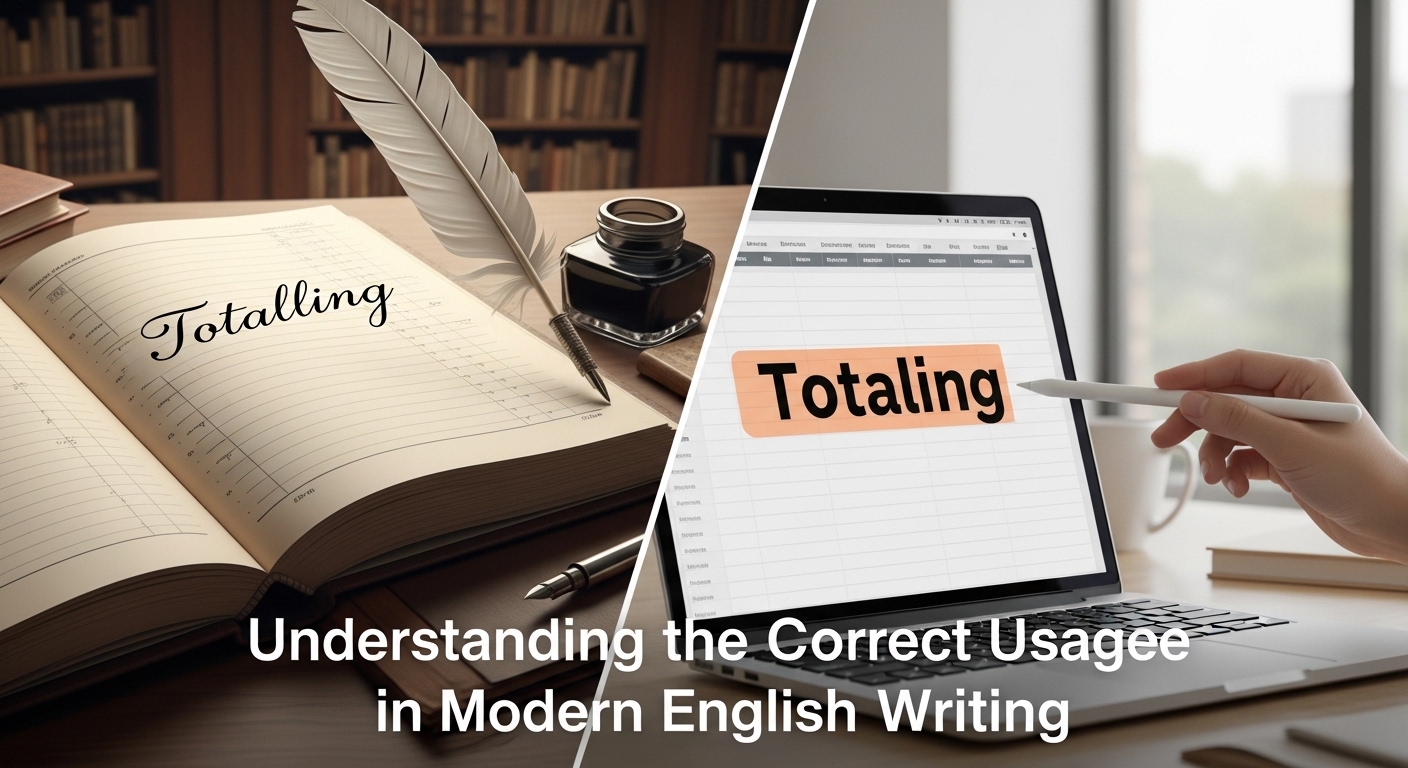
The question of whether to use totaling or totalling often confuses writers, especially those working across different forms of English. This variation reflects broader differences between American and British spelling conventions, making it important to understand the context in which each form is appropriate. Whether you are drafting a report, writing an email, or creating online content, using the correct spelling enhances clarity and professionalism. This article explores the meaning, differences, and proper usage of totaling or totalling, helping you make informed choices and maintain consistency in your writing across various contexts and audiences.
The Meaning Behind Totaling or Totalling
Totaling or totalling both refer to the act of adding numbers together to reach a final sum or complete amount. The word originates from the base term total, which means the whole or complete quantity of something. When used as a verb, it describes the process of calculating or summing values. Despite the spelling variation, the meaning remains identical in both forms. Writers should focus on clarity and context rather than worrying about differences in definition. Understanding this shared meaning is essential before exploring why two accepted spellings exist in modern English usage.
American vs British English Differences
The difference between totaling or totalling is primarily rooted in regional spelling conventions. In American English, totaling with a single letter l is the standard form, following a simplified spelling pattern commonly used in the United States. In contrast, British English prefers totalling with a double l, aligning with traditional spelling rules that often double consonants before adding suffixes. These variations are not errors but rather accepted standards within their respective language systems. Recognizing these differences helps writers adapt their work depending on their audience and maintain linguistic accuracy.
Why Spelling Variations Exist
Spelling differences like totaling or totalling developed over time due to historical, cultural, and linguistic influences. American English evolved with a focus on simplifying spelling, influenced by reformers who aimed to make the language more accessible. British English retained many traditional forms, preserving older spelling patterns. As English spread globally, both versions became widely accepted in different regions. These variations highlight the flexibility of the language and its ability to adapt. Understanding this background provides valuable insight into why such differences persist and how they continue to shape written communication.
Grammar Rules Behind Double Consonants
The use of double consonants in words like totalling follows specific grammatical rules in British English. Typically, when a verb ends in a single vowel followed by a consonant, the consonant is doubled before adding a suffix such as ing. This rule applies to words like travelling and cancelling. However, American English often simplifies this pattern, resulting in forms like totaling or canceling. While both approaches are correct within their systems, consistency is essential. Writers should follow one set of rules throughout their content to ensure readability and maintain a professional tone.
Common Contexts for Using Totaling or Totalling
Totaling or totalling is commonly used in contexts involving calculations, finance, data analysis, and everyday communication. Whether describing expenses, summarizing figures, or explaining results, this verb plays a key role in conveying numerical information clearly. In professional settings, such as business reports or academic writing, choosing the appropriate spelling based on the target audience is important. For example, international publications may prefer one form over the other for consistency. Understanding where and how to use these terms ensures effective communication and avoids confusion among readers from different regions.
Importance of Consistency in Writing
Consistency is a critical factor when deciding between totaling or totalling. Mixing American and British spellings within the same document can appear unprofessional and distract readers. Writers should choose a preferred style based on their audience, organization guidelines, or publication standards. Once a style is selected, it should be applied consistently throughout the text. This practice not only improves readability but also strengthens the credibility of the content. Maintaining uniform spelling demonstrates attention to detail and ensures that the message remains clear and polished for all readers.
Impact on SEO and Digital Content
The choice between totaling or totalling can also influence search engine optimization in digital content. Different regions may search for different spellings, meaning that including the main keyword naturally within content can improve visibility. Writers creating global content often incorporate both variations strategically to reach a broader audience. However, this must be done carefully to avoid keyword stuffing or disrupting the flow of the text. Understanding how language variations affect search behavior allows content creators to optimize their work effectively while maintaining high-quality writing standards.
Tips for Choosing the Right Spelling
Selecting between totaling or totalling becomes easier when writers consider their target audience and the context of their work. If the content is aimed at readers in the United States, the single l version is generally preferred. For audiences in the United Kingdom or other regions following British English, the double l form is more appropriate. Style guides and organizational preferences may also influence this decision. Paying attention to these factors helps ensure that the chosen spelling aligns with reader expectations and enhances overall communication effectiveness.
The Role of Language Evolution in Spelling Choices
Language is constantly evolving, and variations like totaling or totalling reflect this dynamic nature. As global communication increases, the boundaries between different forms of English are becoming less rigid. Writers are often exposed to both versions, leading to greater flexibility in usage. While traditional rules still apply, there is a growing acceptance of variation in informal contexts. Understanding this evolution allows writers to adapt while maintaining clarity and professionalism. The continued coexistence of these spellings demonstrates the richness and diversity of the English language.
conclusion
The distinction between totaling or totalling is rooted in regional spelling conventions rather than differences in meaning. Both forms are correct when used in the appropriate context, making it essential for writers to understand their audience and maintain consistency. By applying the correct spelling and recognizing the influence of language evolution, writers can communicate more effectively and professionally. Whether used in formal documents or digital content, mastering this small but significant detail contributes to clearer and more polished writing overall.
 admin
admin