

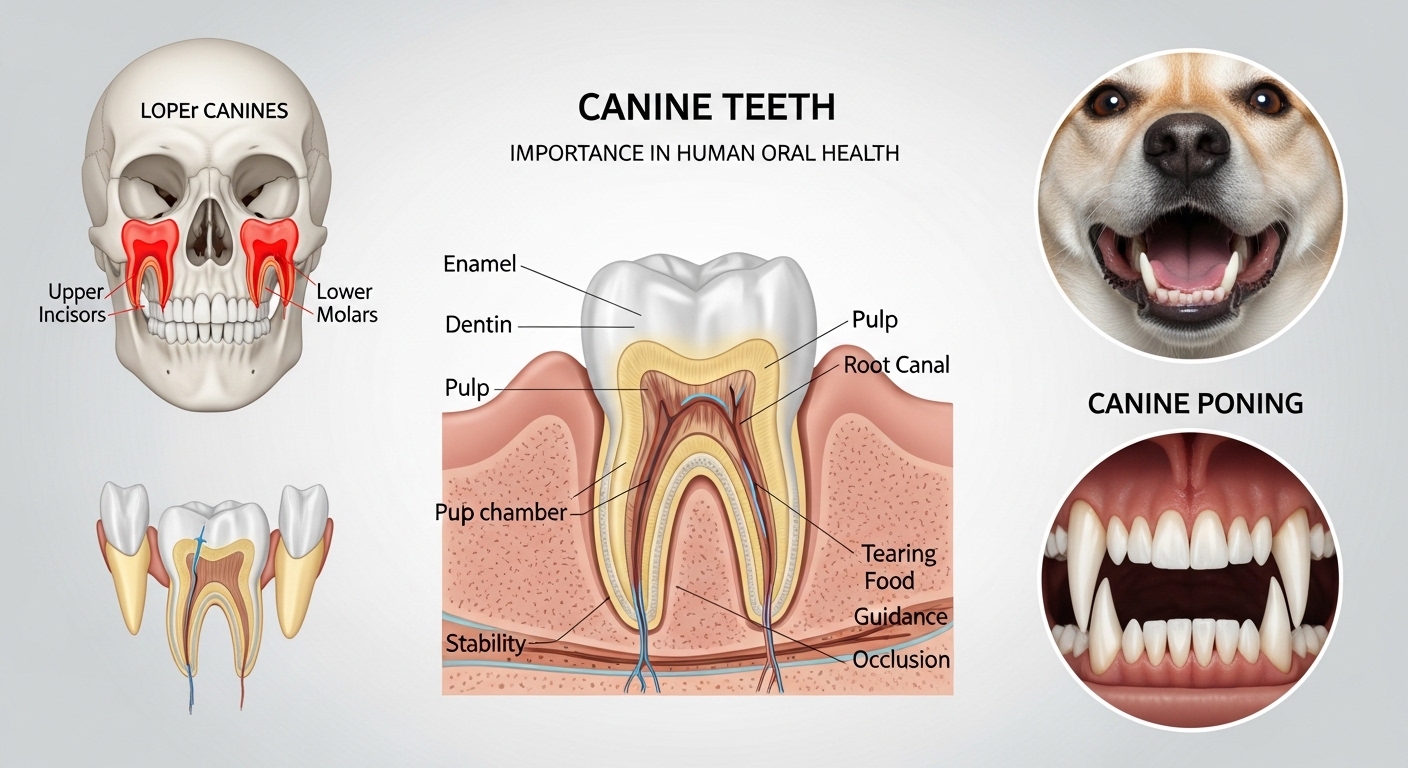
The human mouth contains several types of teeth, each designed for a specific role in chewing and digestion. Among these, canine are easily recognized because of their pointed shape and strategic position in the dental arch. Located between the incisors and premolars, they play a crucial role in tearing food and supporting the alignment of the bite. Canine are also among the strongest and most stable teeth in the mouth. Understanding their structure, development, and function helps explain why they are essential for both oral health and overall dental balance throughout a person’s lifetime.
What Are Canine Teeth
Canine teeth are the sharp, pointed teeth located near the corners of the mouth in both the upper and lower jaws. Humans typically have four canine , two in the upper jaw and two in the lower jaw. Their shape is longer and more pointed than other teeth, allowing them to grip and tear food effectively during chewing. These teeth also contribute to the natural structure of the smile by supporting the lips and facial muscles. Because of their strong roots and durable structure, canine are among the most stable teeth in the human mouth and often remain intact throughout adulthood.
The Role of Canine Teeth in Chewing
The primary function of canine is to assist in tearing and gripping food during the chewing process. While incisors cut food and molars grind it into smaller pieces, canine serve as a bridge between these functions. Their pointed design allows them to break down tougher foods such as meat and fibrous vegetables. This helps prepare food for further grinding by the back teeth. Efficient chewing is essential for proper digestion because it allows food to be swallowed in smaller, manageable pieces. In this way, canine contribute directly to the early stages of the digestive process.
Structure and Strength of Canine Teeth
One of the most distinctive features of canine is their strong and elongated root structure. Compared to other teeth, canines typically have the longest roots in the dental arch, which anchor them deeply into the jawbone. This design provides exceptional stability and resistance to pressure during biting and chewing. The crown of the canine tooth is also thick and durable, allowing it to withstand repeated use over many years. Because of their strength and position, canine often serve as key support points in the overall dental structure and help maintain the alignment of neighboring teeth.
Development of Canine Teeth in Children
Canine teeth develop in two stages during human growth. Primary canine, also known as baby canines, usually appear between the ages of sixteen and twenty months. These early teeth help children chew food properly as they transition to solid diets. Later, permanent replace them during childhood, typically emerging between the ages of nine and twelve years. This stage is important for the proper alignment of the adult dental arch. Dentists often monitor the development of canine carefully because delayed eruption or misalignment can affect the spacing and position of surrounding teeth.
Importance of Canine Teeth in Dental Alignment
Canine play an important role in maintaining the natural alignment of the bite. Their position at the corners of the dental arch helps guide the movement of the jaw during chewing and speaking. Dentists often refer to this as canine guidance, a function that helps protect other teeth from excessive pressure. When the jaw moves sideways, the canine absorb much of the force, reducing strain on the back teeth. Because of this stabilizing role, healthy canine contribute to long term dental balance and help prevent certain forms of tooth wear or jaw discomfort.
Common Dental Issues Affecting Canine Teeth
Although canine teeth are strong and durable, they can still experience dental problems. One common issue is impaction, where the tooth fails to emerge properly from the gums due to lack of space or misalignment. Impacted canines may require orthodontic treatment or minor surgical procedures to guide them into the correct position. Like other teeth, canines are also vulnerable to cavities, gum disease, and enamel wear if oral hygiene is not maintained. Regular dental checkups and proper cleaning habits help protect canine and ensure they remain functional and healthy throughout life.
Canine Teeth and Facial Appearance
Beyond their functional role, canine also influence facial structure and appearance. Because they are positioned near the corners of the mouth, they help support the shape of the lips and contribute to a balanced smile. Well aligned canine create a natural transition between the front and back teeth, giving the dental arch a harmonious appearance. In cosmetic dentistry, preserving or restoring canine is often an important step in achieving a symmetrical smile. Their shape and position can significantly affect how the teeth and jawline appear when a person speaks or smiles.
Caring for Canine Teeth Properly
Maintaining healthy canine requires consistent oral hygiene and regular dental care. Brushing twice daily with fluoride toothpaste helps remove plaque and protect the enamel surrounding these teeth. Flossing is equally important because it cleans the areas between teeth where food particles may become trapped. Professional dental cleanings and routine checkups allow dentists to detect early signs of decay, gum problems, or alignment issues. Avoiding habits such as chewing ice or using teeth to open packages also helps prevent damage. With proper care, can remain strong and functional for many years.
Evolutionary Perspective of Canine Teeth
From an evolutionary standpoint, canine teeth have long been associated with survival and dietary adaptation. In many animals, large and sharp canines are used for hunting, defense, or tearing prey. Humans have smaller canine teeth compared to carnivorous animals, reflecting a more varied and balanced diet. Despite their reduced size, human canines still retain their functional role in tearing food and guiding jaw movement. Their presence highlights how the human dental structure has adapted over time to support both nutritional needs and complex jaw mechanics involved in speaking and chewing.
Conclusion
Canine teeth are an essential part of the human dental system, combining strength, functionality, and structural support. Their pointed shape allows them to tear food effectively, while their deep roots provide stability and help maintain proper alignment of the bite. From early childhood development to their influence on facial appearance, canine teeth play a vital role in both oral health and daily life. By understanding their importance and maintaining proper dental care, individuals can protect these key teeth and ensure a balanced, healthy smile that supports chewing, speaking, and overall wellbeing.