

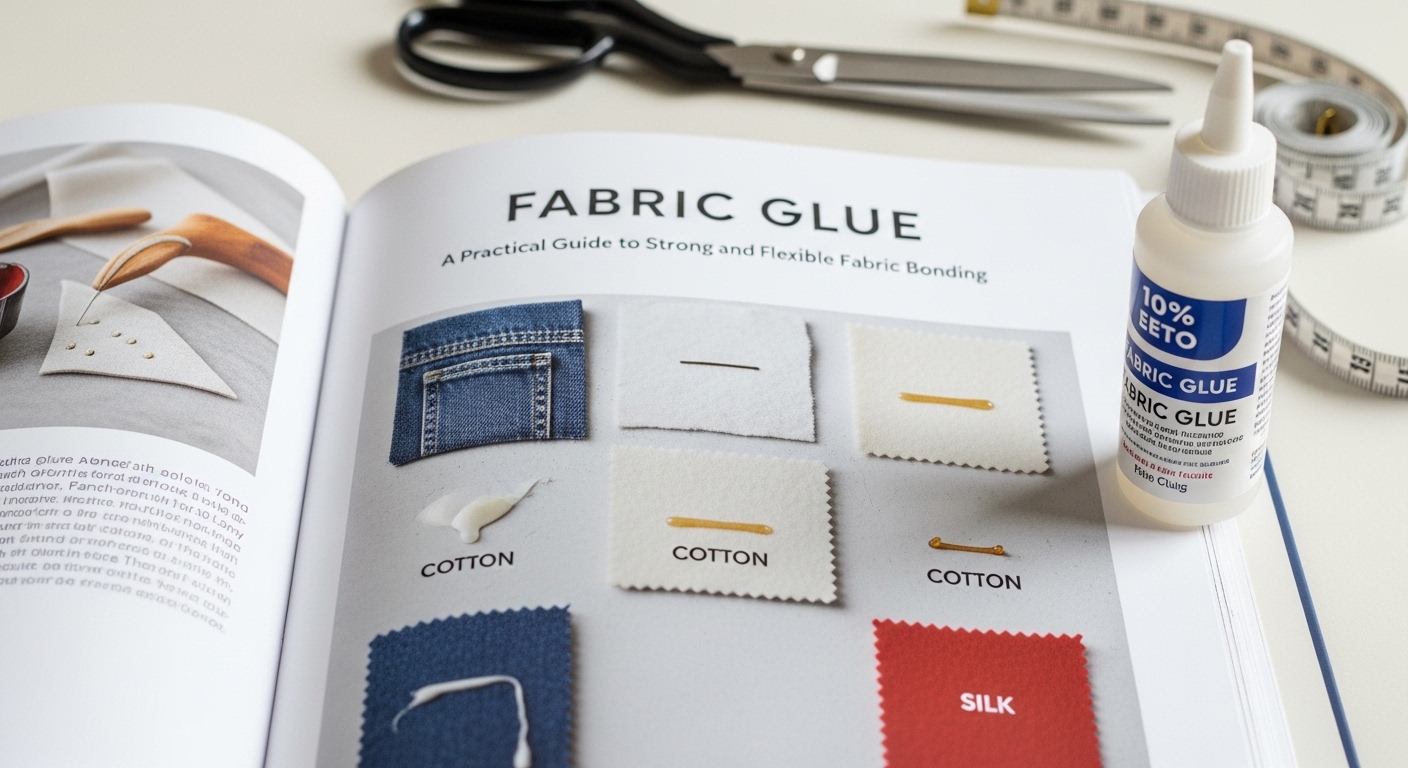
Fabric blue projects often require reliable bonding solutions that keep materials secure without damaging their texture or flexibility. Fabric glue has become a popular choice for sewing alternatives, craft projects, clothing repairs, and decorative designs. This adhesive is specially designed to create durable bonds on textiles while maintaining softness and flexibility after drying. Many people prefer fabric glue because it simplifies tasks that would otherwise require stitching or specialized equipment. From simple household repairs to creative fashion designs, this adhesive offers practical benefits for beginners and experienced crafters. Understanding how fabric glue works can help users achieve cleaner, stronger, and longer lasting results.
What Fabric Glue Is and How It Works
Fabric glue is a specialized adhesive formulated to bond textile materials together without the need for sewing. Unlike ordinary glue, it is designed to remain flexible after drying so that fabrics can move naturally without breaking the bond. The formula penetrates fibers and creates a strong hold once the adhesive cures. Many fabric glue products are also washable and resistant to everyday wear, making them suitable for clothing repairs and craft projects. Because it forms a flexible connection rather than a rigid surface, the adhesive allows garments and decorative items to maintain their comfort, durability, and appearance even after repeated use.
Common Uses of Fabric Glue in Everyday Projects
Fabric glue is widely used in many household and creative projects because it offers a convenient alternative to traditional stitching. People often rely on it for repairing torn seams, attaching patches, or fixing loose hems without using a needle and thread. It is also popular in craft activities such as decorating bags, making costumes, or designing fabric based artwork. Because it bonds quickly and dries clear, the adhesive helps create neat results even for beginners. Fabric glue provides a practical solution when sewing machines are unavailable or when delicate fabrics require gentle handling during repairs or creative design projects.
Different Types of Fabric Glue Available
Several types of fabric glue are available to suit different materials and project requirements. Some formulas are designed for temporary bonding, which allows fabrics to be repositioned or removed later. Others create permanent bonds that remain strong even after washing and ironing. There are also specialized adhesives made for heavy fabrics such as denim and canvas, while lighter formulas work better for delicate materials like lace or silk. Understanding these variations helps users choose the most appropriate product for their task. Selecting the correct type of fabric glue ensures better adhesion, durability, and overall project success in both repairs and crafts.
Advantages of Using Fabric Glue Instead of Sewing
One of the main advantages of fabric glue is the convenience it offers compared with traditional sewing techniques. Many people find sewing difficult or time consuming, especially when working on small repairs or quick projects. Fabric glue simplifies the process by allowing materials to be bonded within minutes. This saves time and reduces the need for specialized tools such as needles, threads, or sewing machines. In addition, the adhesive distributes evenly across surfaces, which helps create smooth and consistent results. For individuals who enjoy crafts or quick clothing fixes, fabric glue provides an accessible and efficient solution.
Tips for Applying Fabric Glue Effectively
Using fabric glue effectively requires careful preparation and proper application techniques. Before applying the adhesive, the fabric surface should be clean and free from dust, oil, or moisture. A thin and even layer of glue usually provides the best results because excessive adhesive can create stiffness or visible marks. After applying the glue, fabrics should be pressed together firmly and allowed to dry according to the product instructions. Some adhesives require several hours to cure completely before washing or wearing the item. Following these basic steps ensures that the fabric glue forms a secure bond while maintaining the natural appearance of the textile.
Fabric Glue in Creative Craft and Design Projects
Creative artists and hobbyists often use fabric glue in various design projects because it allows for greater experimentation with textiles. Decorative embellishments such as beads, sequins, ribbons, and patches can be attached easily without stitching. This flexibility encourages innovative ideas in fashion customization and handmade crafts. Fabric glue also makes it possible to layer different materials together to produce textured artwork or unique clothing designs. By offering a quick bonding solution, the adhesive allows creators to focus more on artistic expression rather than complex technical processes. As a result, fabric glue has become an essential tool in modern craft culture.
Durability and Washability of Fabric Glue Bonds
One important consideration when using fabric glue is the durability of the bond after repeated use and washing. High quality fabric glue is typically designed to withstand regular laundering without weakening. Once fully cured, the adhesive forms a flexible connection that can tolerate stretching, folding, and movement. However, the durability of the bond often depends on the type of fabric and the specific adhesive formula used. Following proper drying and curing times is essential to ensure maximum strength. When applied correctly, fabric glue can provide long lasting repairs and secure attachments that remain reliable through everyday wear.
Safety and Storage Considerations
Proper safety and storage practices are important when working with fabric glue. Although most modern adhesives are formulated for household use, they should still be handled carefully. It is advisable to apply the glue in a well ventilated area and avoid direct contact with skin or eyes. After use, the container should be sealed tightly to prevent the adhesive from drying out. Storing fabric glue in a cool and dry place helps maintain its effectiveness over time. By following these simple precautions, users can ensure that their adhesive remains safe to use and ready for future projects.
Choosing the Right Fabric Glue for Your Needs
Selecting the right fabric glue depends on the specific requirements of the project and the type of fabric involved. Lightweight materials often need gentle adhesives that maintain softness, while heavier textiles require stronger bonding formulas. Users should also consider whether the project requires permanent or temporary adhesion. Reading product instructions and testing the glue on a small fabric sample can help determine compatibility. This approach reduces the risk of damage or discoloration. Choosing the correct fabric glue ensures that repairs, decorations, and creative projects achieve durable results while preserving the natural feel and appearance of the fabric.
Conclusion
Fabric glue has become an essential tool for both practical repairs and creative textile projects. Its ability to create strong yet flexible bonds allows fabrics to maintain their natural movement and comfort. From quick clothing fixes to artistic craft designs, this adhesive offers a convenient solution that simplifies many tasks traditionally handled by sewing. Understanding the different types of fabric glue and applying them correctly helps ensure reliable and long lasting results. As more people explore DIY crafts and home repairs, fabric glue continues to prove its value as a versatile and accessible adhesive for fabric related work.