

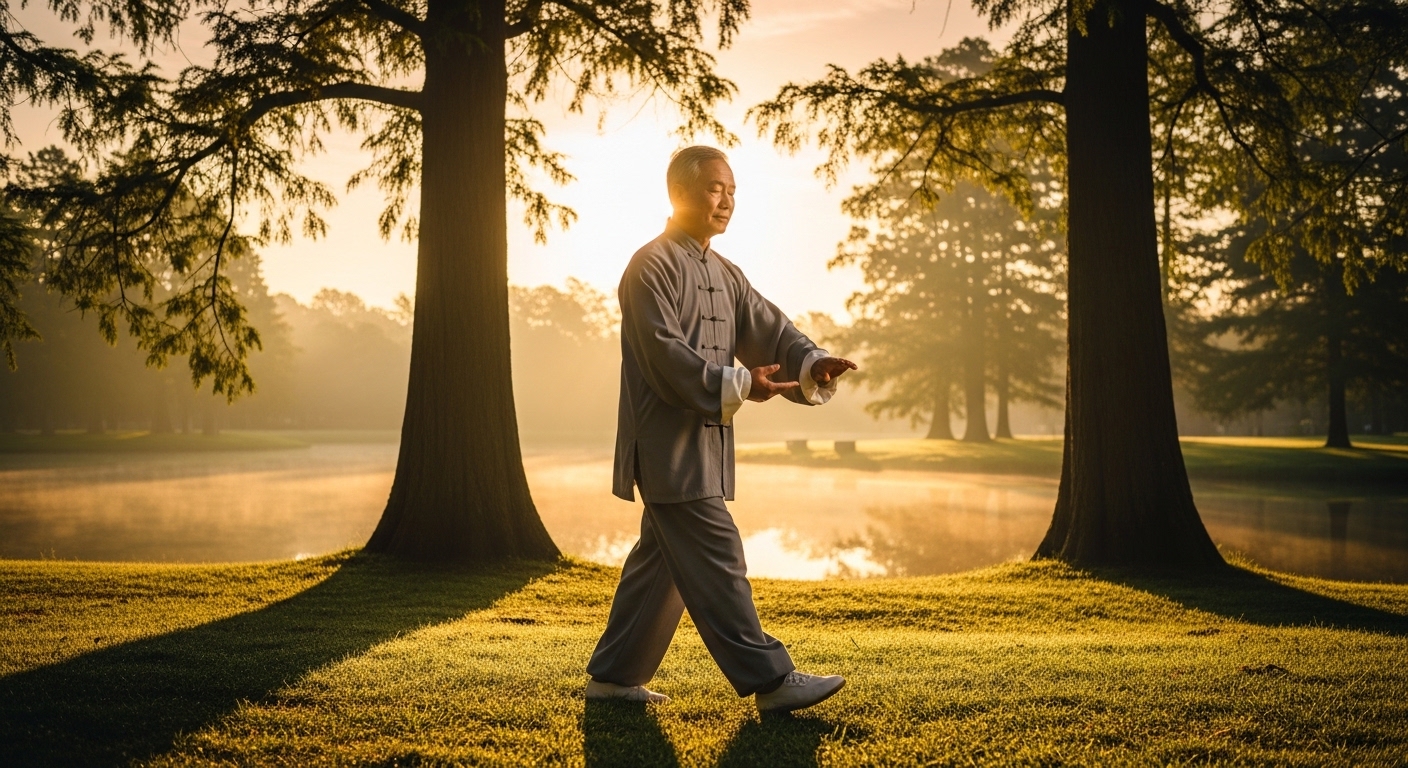
Tai chi walking has become an increasingly popular wellness practice for people seeking a calm, low-impact way to improve both physical and mental health. Rooted in the ancient principles of tai chi, this form of walking combines slow, deliberate steps with controlled breathing and body awareness. Unlike regular walking, tai chi walking focuses on balance, posture, and mindful weight transfer, making every movement purposeful. It is suitable for beginners, older adults, and anyone looking for a gentle exercise routine. As modern lifestyles become more stressful, tai chi walking offers a refreshing approach that supports fitness, relaxation, and inner focus.
What Is Tai Chi Walking?
Tai chi walking is a mindful walking technique inspired by the principles of Tai Chi, an ancient Chinese mind-body practice. Instead of walking quickly or casually, each step is taken slowly with full awareness of posture, breathing, and balance. The movement emphasizes shifting body weight carefully from one leg to the other before lifting the next foot. This controlled motion helps improve coordination and body awareness. Unlike normal walking, where momentum often drives movement, tai chi walking encourages intentional stepping and stability. This makes it an excellent exercise for people who want a safer, more meditative form of movement.
How Tai Chi Walking Differs from Regular Walking
The main difference between tai chi walking and regular walking lies in intention and control. In regular walking, steps are often automatic and driven by speed or destination. Tai chi walking, however, transforms walking into a deliberate practice. Every step begins with stable posture, mindful breathing, and smooth weight transfer. The body remains upright, shoulders relaxed, and movements fluid. This slower pace reduces stress on joints while improving balance and alignment. Because of its controlled rhythm, tai chi walking is often described as a moving meditation that supports both physical strength and mental calmness.
Physical Benefits of Tai Chi Walking
Tai chi walking offers several physical health benefits, especially for balance, posture, and muscle control. Studies suggest that tai chi-based movement improves gait, lower body strength, and fall prevention, particularly in older adults. The slow transfer of body weight strengthens the legs, hips, and core muscles without placing excessive strain on the joints. It may also improve flexibility and coordination over time. Because it is low impact, it is especially beneficial for people recovering from minor injuries or those with joint sensitivity. Consistent practice supports long-term mobility and healthy aging.
Mental and Emotional Wellness Benefits
One of the strongest benefits of tai chi walking is its positive effect on mental health. The practice combines movement with deep breathing and mindfulness, which helps reduce stress and anxiety. Many people find that the slow rhythm of the steps calms the mind and improves focus. Similar to meditation, it encourages awareness of the present moment and helps release mental tension. Some research also links tai chi with improved sleep quality and reduced insomnia symptoms. In today’s fast-paced world, tai chi walking offers a practical and accessible way to support emotional well-being and mental clarity.
Tai Chi Walking for Seniors
Tai chi walking is especially beneficial for seniors because it improves balance and reduces the risk of falls. As people age, gait stability and posture often decline, increasing the chance of injury. This gentle walking method trains the body to move more carefully and with greater awareness. The controlled steps strengthen leg muscles and improve confidence in movement. Health experts often recommend tai chi-based exercise for older adults because it combines safety with effective physical conditioning. Its low-impact nature means it can be practiced daily without the physical strain associated with more intense workouts.
How to Practice Tai Chi Walking Correctly
To practice tai chi walking correctly, begin by standing upright with relaxed shoulders and even posture. Take a slow step forward, placing the heel lightly on the ground before transferring weight smoothly onto that foot. Focus on controlled breathing and avoid rushing the movement. Each step should feel intentional and balanced. The body should remain aligned, with the core engaged and head upright. Practicing in a quiet space, whether indoors or outdoors, can improve concentration. Even ten to fifteen minutes of daily practice can provide noticeable physical and mental benefits over time.
Why Tai Chi Walking Is Popular Today
Tai chi walking has gained popularity because it fits modern wellness trends focused on mindfulness, stress reduction, and sustainable fitness. Many people now seek exercises that support long-term health without requiring intense effort or equipment. This practice offers an easy way to combine movement with meditation. It is accessible to all fitness levels and can be done almost anywhere. Social media, health blogs, and wellness communities have also helped introduce it to wider audiences. Its ability to support both physical and emotional wellness makes it highly relevant in today’s lifestyle culture.
The Future of Mindful Walking Practices
As interest in holistic health continues to grow, tai chi walking is likely to remain a valued part of wellness routines worldwide. More people are recognizing the importance of exercises that improve both mind and body together. This mindful walking technique offers a practical solution for those who want better balance, reduced stress, and improved overall fitness. Its adaptability across age groups and fitness levels ensures continued relevance. Whether used for relaxation, mobility improvement, or daily exercise, tai chi walking represents a modern return to mindful living through simple movement.
Conclusion
Tai chi walking is more than just a form of exercise; it is a mindful wellness practice that supports physical strength, balance, and mental calmness. Its gentle approach makes it suitable for all ages, especially those seeking low-impact movement. By combining slow steps with intentional breathing and posture awareness, it offers lasting health benefits in a simple daily routine. As more people embrace mindful living, tai chi walking continues to stand out as a practical and effective path to better well-being.