

Canine teeth play a crucial role in human oral health and overall dental function. Often recognized for their pointed shape, these teeth are essential for biting, tearing food, and maintaining proper alignment of the dental arch. While many people associate them primarily with animals, human canine teeth are equally important in everyday activities like chewing and speaking. Understanding their structure, purpose, and care can help individuals maintain strong dental health. The significance of canine teeth, how they function, and practical ways to keep them healthy throughout life.
What Are Canine Teeth and Where Are They Located
Canine teeth are the pointed teeth positioned between the incisors and premolars in both the upper and lower jaws. Humans typically have four canine teeth, two on the top and two on the bottom. Their strategic placement helps bridge the gap between cutting and grinding teeth, allowing for efficient food processing. These teeth are sometimes referred to as cuspids due to their single pointed cusp. Their long roots anchor them firmly in the jawbone, making them some of the most stable teeth in the mouth. This stability contributes to both functional strength and the overall structure of the dental arch.
The Unique Structure of Canine Teeth
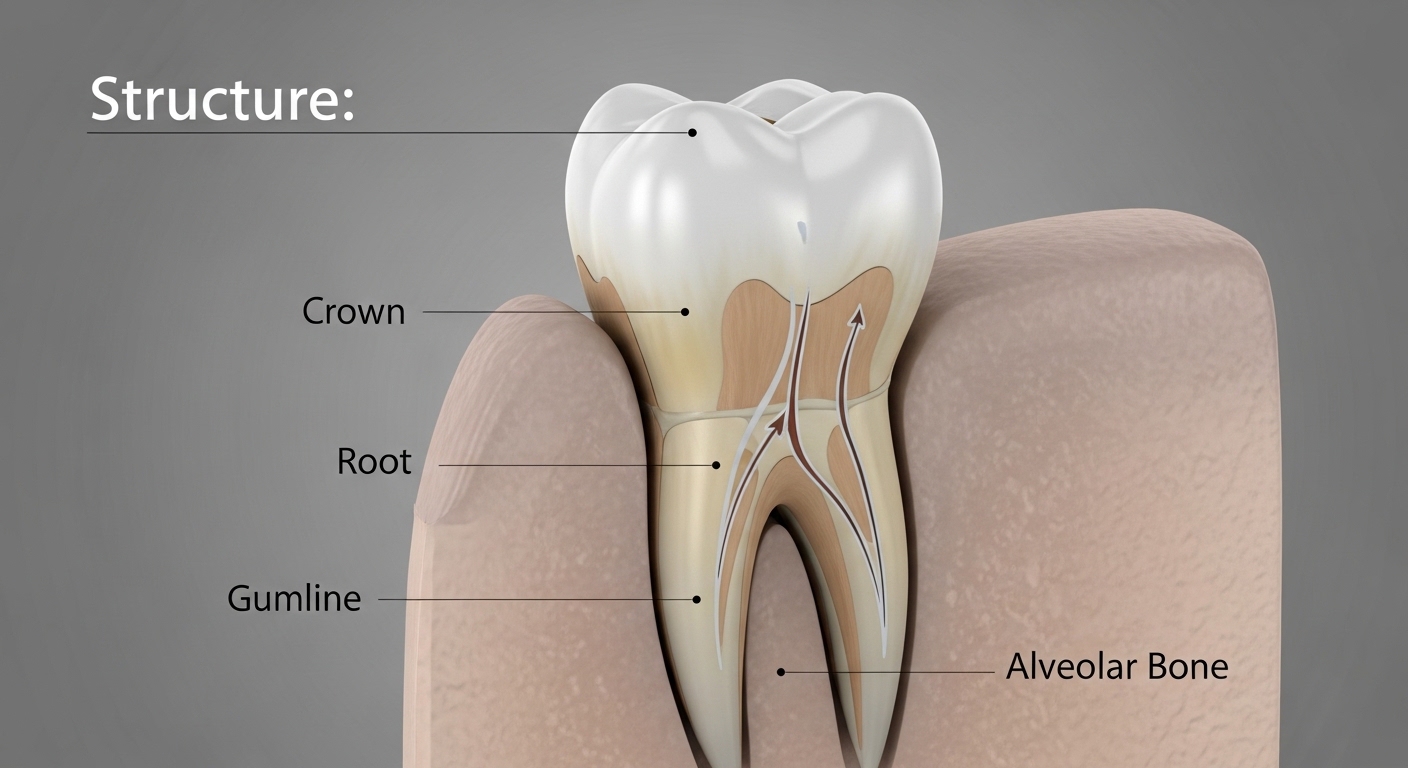
The structure of canine teeth is specifically designed for durability and strength. They have a pointed crown that allows them to pierce and tear food effectively. Beneath the surface, their roots are longer than those of most other teeth, providing exceptional support and resistance to pressure. The enamel covering canine teeth is also thick, helping protect against wear and decay. This unique anatomy allows them to withstand significant forces during chewing. Additionally, their shape contributes to guiding the movement of the jaw, ensuring smooth interaction between upper and lower teeth during biting and chewing motions.
The Functional Role of Canine Teeth in Digestion
Canine teeth play an essential role in the early stages of digestion by assisting in the breakdown of food. Their pointed edges are ideal for tearing tougher foods, such as meat and fibrous vegetables, into smaller, manageable pieces. This process makes it easier for the digestive system to handle food efficiently. By working alongside incisors and molars, canine teeth help create a balanced chewing mechanism. Proper function of these teeth ensures that food is adequately prepared before swallowing, reducing strain on the stomach. Their contribution to effective chewing directly supports better digestion and nutrient absorption.
Canine Teeth and Their Role in Facial Structure
Beyond their functional importance, canine teeth significantly influence facial appearance and structure. They help support the lips and maintain the natural contours of the face. The position and alignment of these teeth contribute to a balanced and symmetrical smile. When canine teeth are missing or misaligned, it can affect facial aesthetics and even alter speech patterns. Their long roots also help preserve jawbone density by stimulating the bone through regular use. This stimulation prevents bone loss and supports overall facial stability, making canine teeth essential for both health and appearance.
Common Problems Associated with Canine Teeth
Like other teeth, canine teeth can face several dental issues if not properly cared for. Common problems include misalignment, impaction, decay, and gum disease. Impacted canine teeth occur when they fail to emerge correctly through the gums, often requiring orthodontic or surgical intervention. Due to their position, they can also be more susceptible to plaque buildup if oral hygiene is inadequate. Gum recession around these teeth can expose their roots, leading to sensitivity. Early detection and regular dental checkups are important to address these issues before they become severe and affect overall oral health.
The Importance of Proper Care for Canine Teeth
Maintaining healthy canine teeth requires consistent oral hygiene and preventive care. Brushing twice daily with fluoride toothpaste helps remove plaque and protect enamel. Flossing is equally important, as it cleans the spaces between teeth where bacteria can accumulate. Regular dental visits allow professionals to monitor the condition of canine teeth and identify any developing problems. A balanced diet that limits sugary foods also supports dental health. Protecting teeth from injury, especially during sports, is essential. Proper care ensures that canine teeth remain strong, functional, and free from damage throughout life.
Canine Teeth in Orthodontic Treatments
Canine teeth play a central role in orthodontic treatments due to their position and stability. They often serve as anchor points when braces or aligners are used to correct misalignment. Because of their long roots, they help guide the movement of surrounding teeth into proper alignment. In cases where canine teeth are impacted, orthodontists may use specialized techniques to bring them into position. Proper alignment of canine teeth improves bite function and enhances overall dental aesthetics. Their importance in orthodontics highlights their role in achieving a healthy and well-balanced smile.
Differences Between Human and Animal Canine Teeth
While canine teeth exist in both humans and animals, their size and function vary significantly. In animals, especially carnivores, canine teeth are larger and sharper, designed for hunting and tearing flesh. In humans, they are smaller and less pronounced but still serve important functions in chewing and maintaining dental alignment. Evolution has shaped human canine teeth to suit a more varied diet, rather than specialized feeding habits. Despite these differences, the basic structure remains similar. Understanding these distinctions provides insight into how diet and lifestyle influence dental development across different species.
How Canine Teeth Contribute to Speech and Pronunciation
Canine teeth also play a subtle yet important role in speech and pronunciation. They help guide the tongue and lips in forming certain sounds, particularly those that require precise airflow and articulation. Proper alignment of these teeth ensures clear pronunciation and smooth speech patterns. When canine teeth are missing or misaligned, it can lead to slight speech difficulties or altered sound production. Their presence supports the natural positioning of the mouth during speaking. This contribution highlights how dental health extends beyond chewing and aesthetics, influencing communication and everyday interactions.
Conclusion
Canine teeth are far more than just pointed structures in the mouth. They are essential for chewing, supporting facial structure, guiding jaw movement, and even aiding in speech. Their strength and stability make them vital components of a healthy dental system. Proper care, regular checkups, and timely treatment of any issues can ensure their longevity and effectiveness. By understanding the importance of canine teeth, individuals can take better steps toward maintaining overall oral health and preserving a confident, functional smile for years to come.